

North-east England
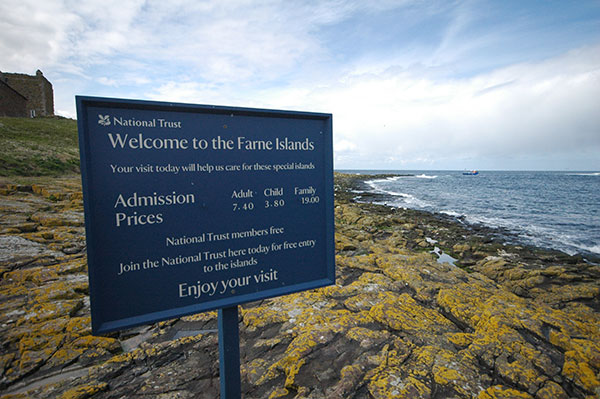

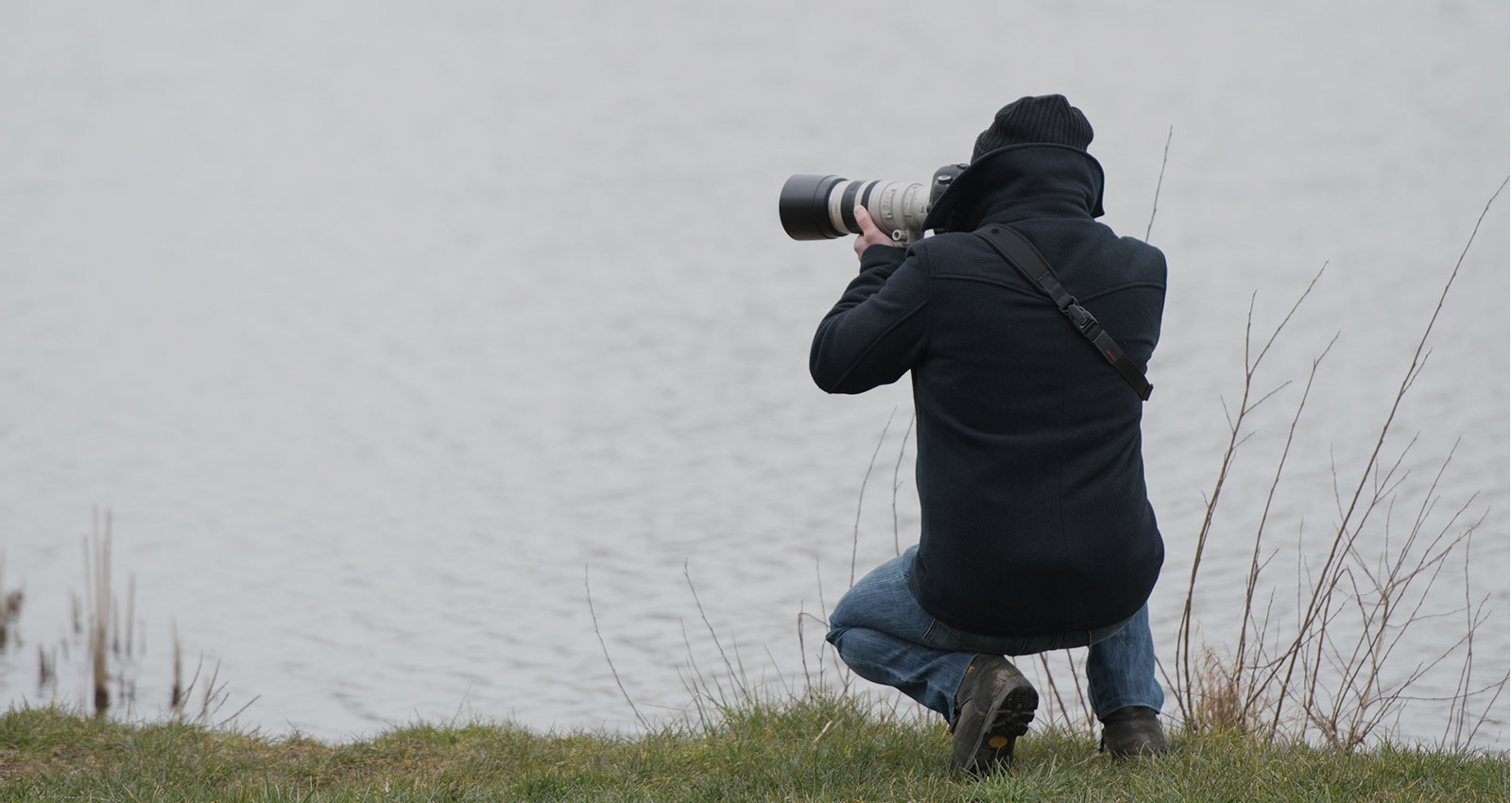
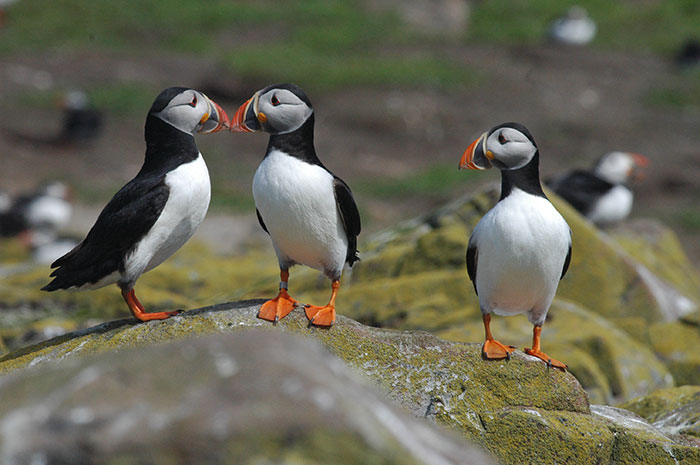
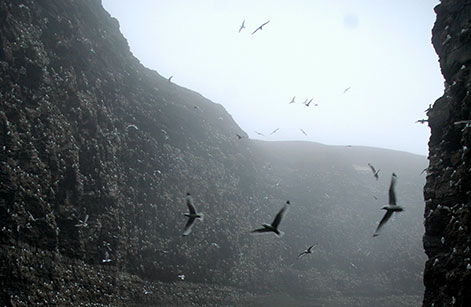
James travelled to the Farne Islands a small archipelago of rocky islands off the coast of Northumberland, to see and photograph their famous seabirds. The islands are home to puffins, guillemots and razorbills, but James included them in his forthcoming book on wildlife – 100 Great Wildlife Experiences of Britain – for the dive-bombing Arctic terns.


Pembrokeshire
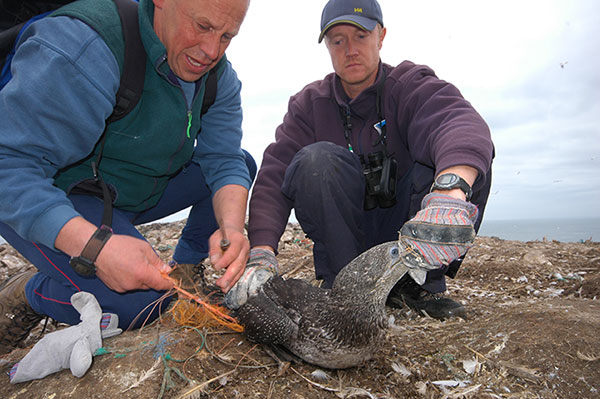
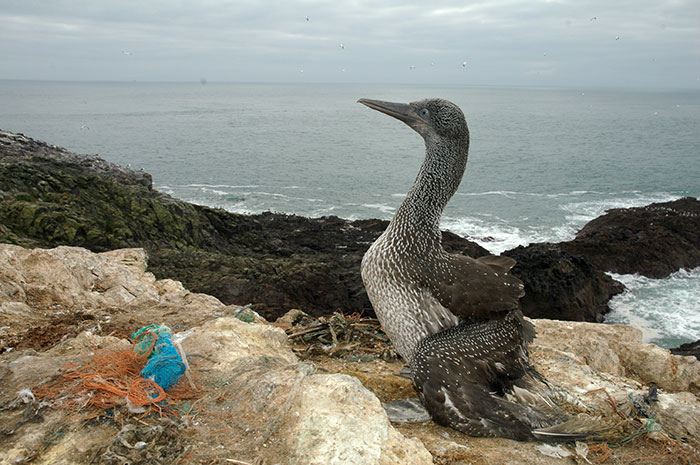
RSPB warden Greg Morgan rescues an entangled gannet on Grassholm Island

Every year in October, a tragedy unfolds on Grassholm off the coast of West Wales. Young gannets that are ready to fledge are so tangled up in plastic netting and string (brought to the nests by their parents as substitutes for seaweed) they are unable to fly.
James Fair visited Grassholm in 2007 with conservationists from the RSPB to see this for himself and rescue some of the birds.




Pembrokeshire Coast National Park
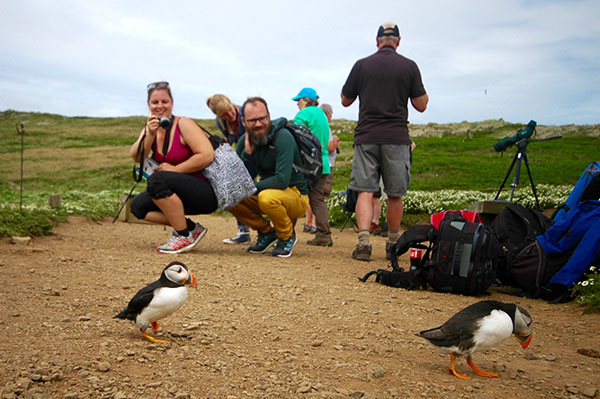
The puffins’ fearlessness makes them popular with visitors to Skomer

No trip to Skomer is complete without a visit to The Wick, a nesting area on the south side of the island where puffins are so accustomed to people they will practically walk between your legs. And unlike much of the rest of Britain, the puffin population here is fairly stable. With more than 300,000 pairs, Skomer is also the most important breeding site in the world for the Manx shearwater.


Norwegian High Arctic
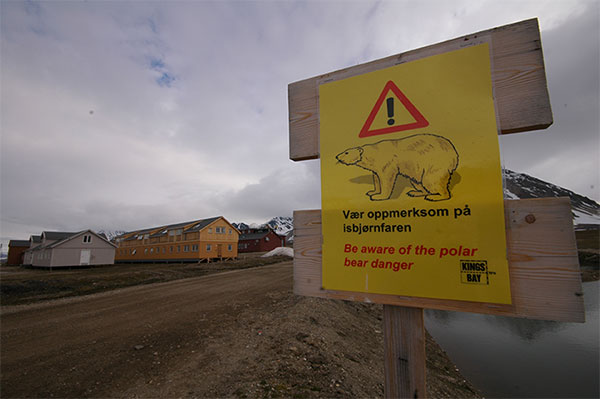
Polar bears are regarded as one of the world’s carnivores that pose the greatest risk to humans – wherever you go on Svalbard, you are accompanied by guides with firearms.

James travelled to Svalbard for BBC Wildlife in 2006 with Peregrine Adventures. Along with Churchill, in the Canadian province of Manitoba, it is most popular destination in the world for seeing polar bears, but it’s also an excellent location for seeing walruses, seals, reindeer and seabirds in their tens of thousands.




Slovenia

This 2 year old brown bear is far from fully grown.

Less than two hours south of Slovenian capital Ljubljana, you can watch brown bears from specially constructed hides, though you have to be patient.
James Fair travelled with Wildlife Worldwide and slovenianbears.com to see the bears, as well as the white storks that nested on a rooftop in every village and the rich profusion of wildflowers and insects that live in the valleys.


Southern Spain
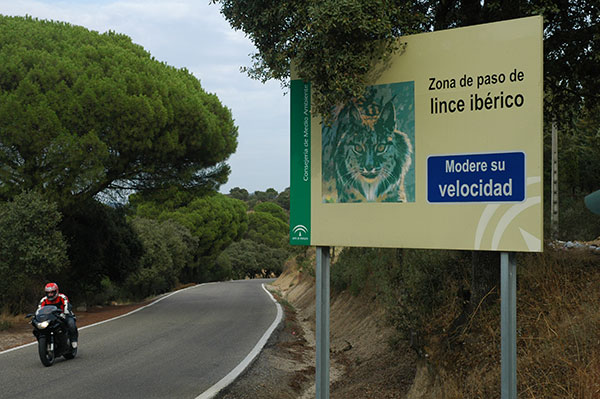
Iberian lynx are killed in vehicle collisions every year, so signs requesting drivers to slow down
are a common sight.

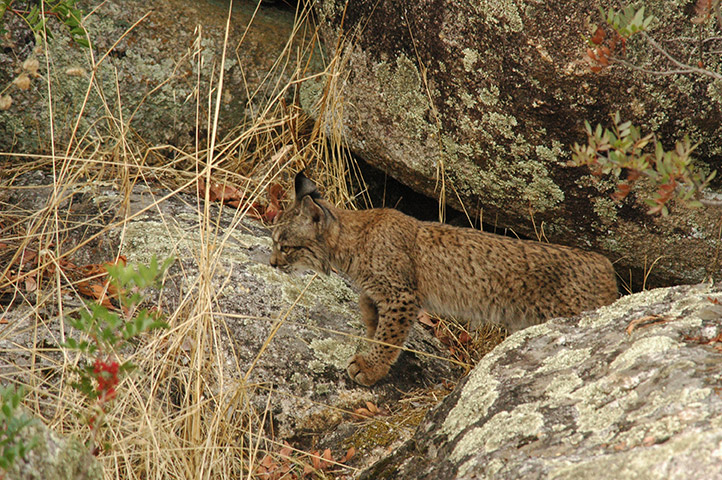
With only 400-500 individuals in the wild, the Iberian lynx is the world’s rarest feline. James travelled with Naturetrek to Doñana National Park, just south of Seville – where signs of lynx were evident but there were no sightings – and Sierra de Andújar Natural Park, to the north-east, where his group had an amazing hour-long encounter with a cub estimated to be about six months old.




North-west Scotland

Looking south-west from Coiresa, you can see the dark outline of Jura, where George Orwell wrote 1984.

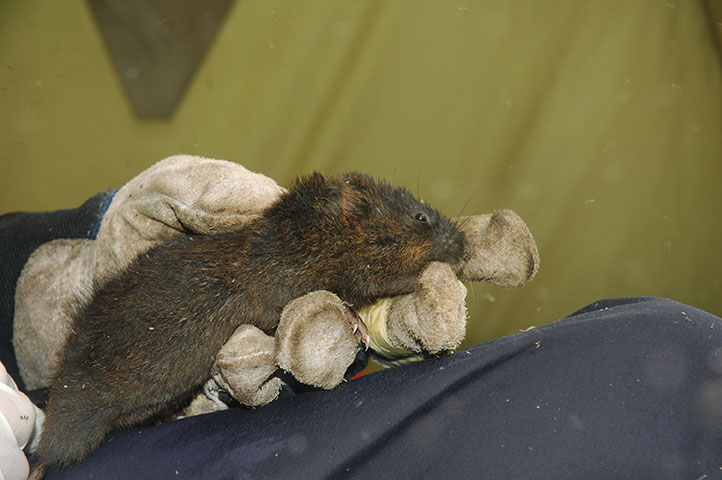
James travelled with scientists from the University of Aberdeen to Coiresa, an island smaller than a football pitch just off Jura.
The researchers put out traps for the water voles and took samples for DNA analysis for a study into how their genetic diversity was affected by a crash in the population.
Head nets and gloves were necessary to protect yourself from the ravenous midges.



Central Africa

Forest elephants gather in large herds in the clearings.

In Gabon’s Ivindo National Park, large natural clearings called ‘bais’ bring out western lowland gorillas (close relatives of mountain gorillas) to feed on grasses and other vegetation.
Elephants also come to the bais for the salts and other minerals they cannot find in the rest of the forest.
Scientists and field workers closely monitor all the wildlife from specially constructed platforms.


Southern Europe
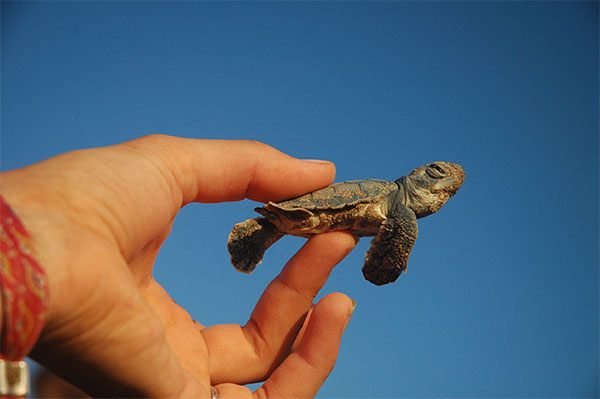
Conservationists dig baby turtles out of their nests at public events to educate
holiday-makers and local people

The unspoilt beaches of North Cyprus provide ideal nesting sites for green and loggerhead turtles, and conservationists from the Society for the Protection of Turtles are working hard to keep them that way. They carry out public ‘exhumations’ for holiday-makers of baby turtles to raise awareness of the threats they face as well. You can even release your own hatchling as day turns to night.


Contact James
Call: 07766 706 358

© James Fair
| all rights reserved

Website by Elizabeth Walsh